TWMCC Organises a Virtual Lecture Titled 'Fasting and Its Impact on Building Human Character'
- 2026-Mar-23
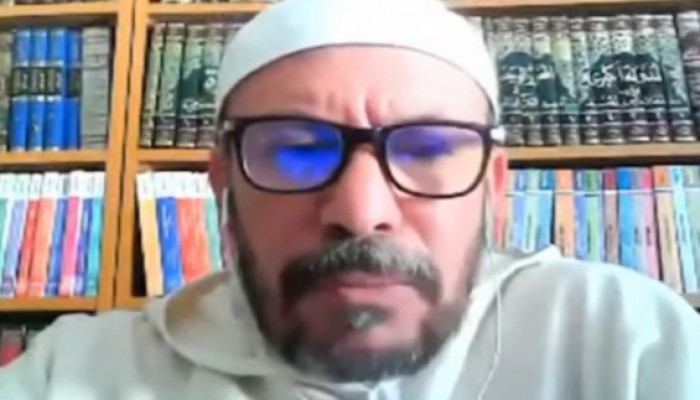
The World Muslim Communities Council (TWMCC) organised a virtual lecture entitled 'Fasting and Its Impact on Building Human Character' as part of its Ramadan lecture series. The session was delivered by Dr Muhammad Shahid, Professor of Foundations of Islamic Jurisprudence and Objectives of Shariah at Mohammed I University, the Kingdom of Morocco. During the lecture, he highlighted the spiritual and educational values that fasting instils in both individuals and society
Dr Shahid stressed that the Muslim Ummah is in urgent need of sincere supplication, noting that heartfelt prayers to Almighty God to open the gates of knowledge and learning for the Ummah are among the most important foundations for its revival and progress
He added that the home should be a place of tranquillity and serenity, citing the words of Imam Malik ibn Anas: 'The believer’s paradise is in his home.' He explained that a true believer finds comfort within the household, while many people today rush to leave their homes after it has lost its role in building the family and reinforcing values
Dr Shahid further emphasised that genuine progress for the Ummah cannot be achieved where ignorance prevails, affirming that God does not grant victory to a nation through ignorance, but through knowledge, moral integrity, and the balanced development of human character
He also pointed out that the absence of a culture of dialogue and peaceful coexistence within societies creates fertile ground for extremism, explaining that the culture of terrorism often emerges in environments where meaningful dialogue and the authentic teachings of Islam are absent
He stressed that peace and dialogue are not the path of the weak, as some may assume rather, peace can only be established by the strong, those capable of promoting the values of understanding, tolerance, and coexistence
Dr Shahid also addressed the vital role of the family in shaping children’s awareness, warning that the absence of dialogue within the household and the failure to provide proper religious and intellectual guidance leave young people vulnerable to manipulation by the ignorant and extremists.
In conclusion, he noted that the early foundations of Islamic civilisation were built upon four essential pillars: knowledge, purification of the soul, moral conduct, and calling to God. These values, he said, must once again form the cornerstone of the Ummah’s renaissance and future progress