TWMCC Holds “Muslims in Nigeria: Reality and Challenges” Online Lecture
- 2026-Apr-21
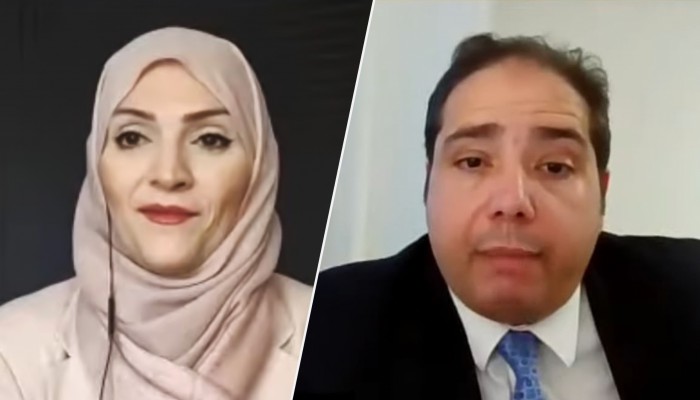
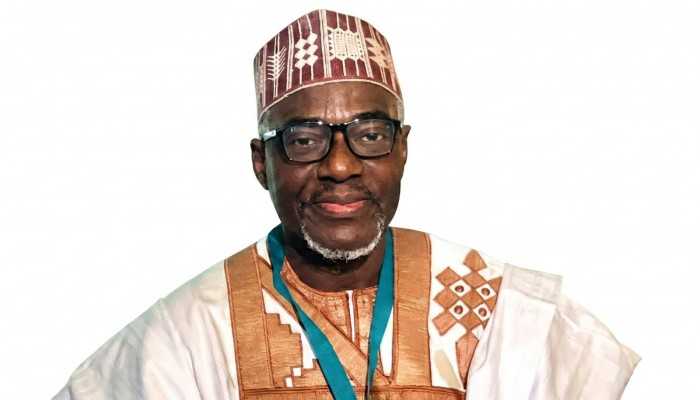
The World Muslim Communities Council organised a virtual lecture as part of its lecture series titled “Muslims in Nigeria: Reality and Challenges.” The session was presented by Dr. Al-Khidr Abdulbaqi, Director of the Nigerian Center for Arabic Research, who discussed the unique characteristics of the Muslim community in Nigeria.
Dr. Abdulbaqi divided his lecture into several key axes, including an introduction and overview of Muslims in Nigeria, the religious reality in the country, and the challenges of modernity facing Muslims there.
He explained that Islam in Africa suffers from a stereotyped mental image, as some studies promote a narrative portraying African Muslims as suffering solely from poverty, hunger, and oppression. The importance of this lecture lies in correcting this image and highlighting the many positive aspects of Africa that deserve attention.
He also touched on the democratic presidential system that governs the country and its diverse economy—encompassing oil, agriculture, industry, minerals, and fishing—noting that the country relies heavily on oil. He pointed out that Nigeria's demographic composition includes more than 250 ethnic and national groups, leading it to be described as a "living human museum."
He added that estimates vary regarding the percentage of Muslims and Christians in the population; some estimate the Muslim population at around 65%, while others believe the two religions are nearly equal in number. However, what is certain is the increasing number of Muslims, according to data from accredited statistical organisations, alongside a state of peaceful coexistence and mutual respect between various religious components.
Dr. Al-Khidr Abdulbaqi concluded his lecture by reviewing the most prominent challenges facing Muslims in Nigeria, chief among them the emergence of certain extremist movements, which are considered among the most dangerous factors affecting the image of Muslims. He stressed the importance of addressing these phenomena while highlighting moderate Islamic values and ethics within society, away from manifestations of extremism.